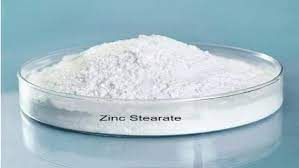
The function of zinc stearate is to inhibit the thermal degradation reaction of PVC at high temperatures and reduce the generation of harmful gases, thereby improving the thermal stability of PVC.
PVC (polyvinyl chloride) is a plastic material widely used in the preparation of plastic products. It has excellent chemical resistance, weather resistance and mechanical properties. It is widely used in various fields such as construction, medical, electronics, and automobile industries.
However, the thermal stability of PVC at high temperatures has always been a problem. With people’s increasing requirements for sustainability and environmental protection, improving the thermal stability of PVC has become particularly important. In order to improve the thermal stability of PVC, zinc stearate, as a common heat stabilizer, is widely used in the preparation process of PVC.
Although zinc stearate has been used in the plastics industry for decades, there are still many issues that require in-depth study regarding its synthesis methods and performance effects.
There are various methods for synthesizing zinc stearate, which can be divided into traditional methods and new methods according to different synthesis routes. The traditional synthesis method involves the reaction of stearic acid and zinc oxide, mainly including esterification reaction, hydrolysis and dehydration reaction.
The advantage of traditional synthesis methods is that the synthesis process is relatively simple, but there are shortcomings, such as the generation of many by-products, low reaction yield, and poor environmental friendliness. In recent years, catalytic synthesis methods have become a new research hotspot, which usually uses organic catalysts or metal catalysts to achieve efficient reactions between stearic acid and zinc oxide.
The principle step of the c
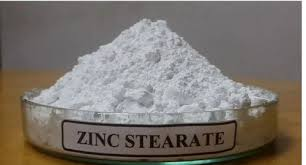
atalytic synthesis method is to select an appropriate catalyst. Common organic catalysts include carbonates, alcohols, amines, etc., and metal catalysts such as zinc chloride (ZnCl2) and methyltin compounds have also been widely studied for this purpose. reaction. The presence of the catalyst promotes the esterification reaction between zinc oxide and stearic acid to form an intermediate product of zinc stearate.
The intermediate product then undergoes hydrolysis and dehydration reactions to produce the final zinc stearate. Finally, the zinc stearate product needs to undergo appropriate separation and purification steps to remove unreacted materials and impurities.
The catalytic synthesis mechanism of zinc stearate includes the action mechanism of the catalyst and the reaction mechanism.
Catalysts play an important role in the synthesis of zinc stearate, reducing the activation energy of the reaction and accelerating the reaction rate.
The catalyst may promote the esterification reaction of stearic acid and zinc oxide by providing nucleophilic sites and may also provide protons or hydroxide ions to promote the hydrolysis reaction of the ester. The reaction mechanism of the entire catalytic synthesis involves multiple steps, including esterification, hydrolysis, and dehydration.

In the experiment, first mix stearic acid and absolute ethanol in a dry glass reaction bottle and stir evenly until the stearic acid is completely dissolved. Subsequently, the catalyst is gradually added and stirring is continued.
Place the reaction bottle into a constant temperature bath and control the temperature to perform the reaction within a specific range.
After the reaction is completed, the reaction liquid is filtered, purified and dried to obtain the final zinc stearate product.
The synthesis method and condition selection of zinc stearate will directly affect the properties and yield of the product. Zinc chloride was used as a catalyst in the experiment, and the appropriate reaction temperature and time were controlled.
The synthesized zinc stearate has been analyzed and tested and has a typical waxy structure and good thermal stability. In summary, zinc stearate, as a heat stabilizer, can improve the thermal stability of PVC, reduce the release of hydrogen chloride, and extend the service life of PVC.
The synthesis methods of zinc stearate mainly include traditional methods and catalytic synthesis methods. The catalytic synthesis method has received widespread attention in research and application.
Supplier
TRUNNANO is a supplier of zinc stearate materials with over 12 years experience in nano-building energy conservation and nanotechnology development. It accepts payment via Credit Card, T/T, West Union and Paypal. Trunnano will ship the goods to customers overseas through FedEx, DHL, by air, or by sea. If you are looking for high-quality concrete additives, please feel free to contact us and send an inquiry.
Related Posts

The Indestructible Vessel: The Alumina Ceramic Crucible Legacy alpha alumina
Intro: The Crucible of Production In the realm of materials science, where the alchemy of warmth transforms base components into the building...
Read out all
The Elemental Bond: The Molybdenum Disulfide Revolution molybdenum disulfide powder
Intro: The Smooth Frontier In the high-stakes movie theater of modern industry, where metal grinds against metal and warm intimidates to take...
Read out all
The Molecular Revolution: Redefining Performance with Advanced Plasticiser admixture waterproofing
Intro: The Scientific Research of Circulation In the substantial and requiring landscape of modern-day construction, where structural stability meets building aspiration, there...
Read out all
The Molecular Revolution: Redefining Performance with Advanced Plasticiser admixture waterproofing
Introduction: The Science of Flow In the large and demanding landscape of modern-day building, where architectural honesty fulfills building aspiration, there exists...
Read out all
Why Boron Nitride Ceramic Is Ideal for Crucibles in Strontium Barium Niobate Crystal Growth
Boron nitride ceramic has become the top choice for crucibles used in growing strontium barium niobate crystals. This material stands out because...
Read out all
What Are the Boron Nitride Ceramic Applications in High Temperature Globe Control Valves
Boron nitride ceramic is now being used in high temperature globe control valves. This material brings strong performance where heat and pressure...
Read out all