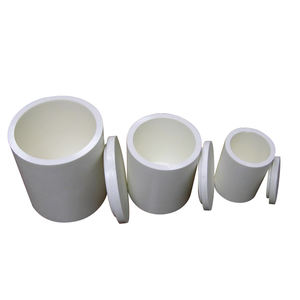
Boron nitride ceramic shows strong performance in high temperature carburizing atmospheres. This material keeps its shape and strength even when exposed to extreme heat and carbon-rich gases. Engineers have long searched for ceramics that can handle such harsh conditions without breaking down. Boron nitride meets this need better than many alternatives.
(How Does Boron Nitride Ceramic Perform in High Temperature Carburizing Atmospheres)
Tests show boron nitride resists chemical reactions that usually degrade other ceramics in carburizing environments. It does not absorb carbon easily. This means it stays stable and clean during industrial heat treatment processes. The ceramic also maintains good thermal conductivity. That helps control temperature evenly across components.
Manufacturers use carburizing to harden steel parts. The process requires materials that can endure temperatures above 900°C while surrounded by carbon monoxide or methane. Boron nitride performs well under these conditions. It does not crack or warp like some oxides or carbides might.
Its non-wetting surface is another advantage. Molten metals and slags do not stick to it easily. This makes cleaning easier and extends part life. Maintenance costs drop as a result. Production lines run more smoothly with fewer interruptions.
Boron nitride’s electrical insulation properties remain intact at high heat. This adds safety in applications where electrical isolation matters. Industries like aerospace, automotive, and metal processing benefit from these traits. They rely on consistent performance under stress.
(How Does Boron Nitride Ceramic Perform in High Temperature Carburizing Atmospheres)
Recent studies confirm boron nitride retains over 90% of its original strength after prolonged exposure to carburizing atmospheres at 1,200°C. No significant phase changes or surface erosion were observed. These results support wider adoption in demanding thermal systems.
Related Posts

The Indestructible Vessel: The Alumina Ceramic Crucible Legacy alpha alumina
Intro: The Crucible of Production In the realm of materials science, where the alchemy of warmth transforms base components into the building...
Read out all
The Elemental Bond: The Molybdenum Disulfide Revolution molybdenum disulfide powder
Intro: The Smooth Frontier In the high-stakes movie theater of modern industry, where metal grinds against metal and warm intimidates to take...
Read out all
The Molecular Revolution: Redefining Performance with Advanced Plasticiser admixture waterproofing
Intro: The Scientific Research of Circulation In the substantial and requiring landscape of modern-day construction, where structural stability meets building aspiration, there...
Read out all
The Molecular Revolution: Redefining Performance with Advanced Plasticiser admixture waterproofing
Introduction: The Science of Flow In the large and demanding landscape of modern-day building, where architectural honesty fulfills building aspiration, there exists...
Read out all
Why Boron Nitride Ceramic Is Ideal for Crucibles in Strontium Barium Niobate Crystal Growth
Boron nitride ceramic has become the top choice for crucibles used in growing strontium barium niobate crystals. This material stands out because...
Read out all
What Are the Boron Nitride Ceramic Applications in High Temperature Globe Control Valves
Boron nitride ceramic is now being used in high temperature globe control valves. This material brings strong performance where heat and pressure...
Read out all